
Sell Land in King County, Washington Fast | WA Cash Land Buyers
Direct, seller-focused options for King County owners with vacant land, timber ground, rural lots, or acreage.
- No agent commissions
- Title company closing
- Remote review available
Selling Washington Land? You're Not Alone
You inherited King County land you have no use for and want a clean, low-stress way to move on.
Unpaid Washington property taxes keep growing every year on King County land you are not using.
You listed your King County land with an agent or online marketplace and still have no serious buyers.
You live outside Washington and managing King County land remotely has become a burden.
A life change means you need to sell your King County land fast and get cash in hand, not wait months.
Your King County land is sitting empty with no plans to build, and carrying costs keep adding up.
Whatever your situation, we make selling simple. Get your cash offer today.
Sell Your King County Land for Cash: No Fees, No Agents
We review the parcel as it stands, then explain the price, closing path, and conditions in writing before you decide.
King County owners may be dealing with inherited land, unused acreage, timber property, vacant lots, tax questions, access issues, or land that no longer fits the family plan.
Types of King County Land We Buy
 Timber acreage
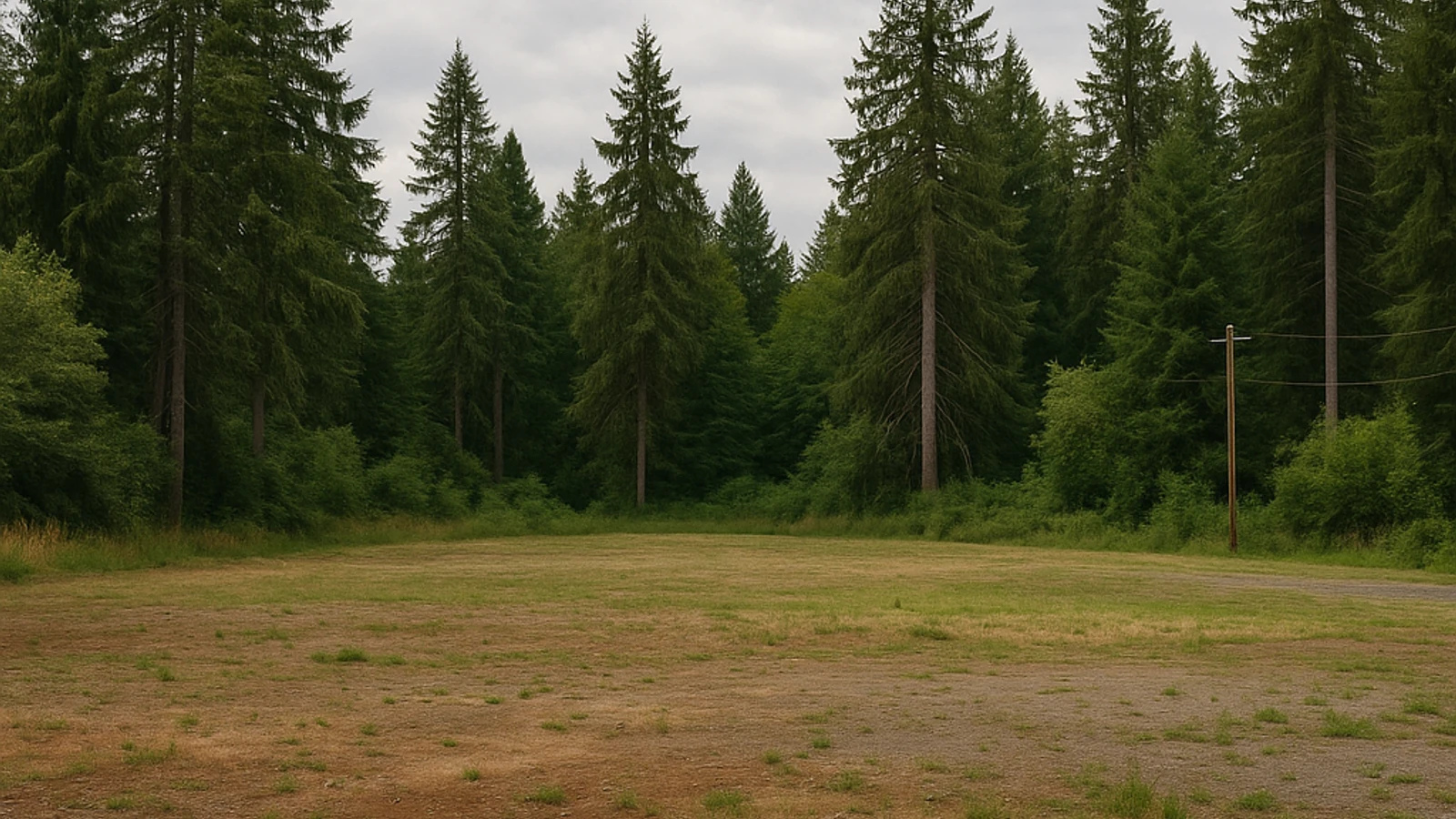
King County timber or wooded acreage can raise questions about access, terrain, seasonal roads, and practical inspection routes.
 Vacant lots
Vacant lots in King County benefit from a straightforward review of records, utilities, zoning context, and seller timing.
 Rural access parcels
Rural King County access parcels deserve a careful look at recorded roads, easements, gates, and title conditions.
How to Sell Land in WA: Our Simple 3-Step Process
- Tell us about your King County property. Share the county, parcel number if you have it, acreage, access notes, tax status, and any ownership or title details you already know.
- Receive your cash offer. We evaluate the land using parcel facts, access, utilities, taxes, title path, and realistic Washington land demand before sending written terms.
- Close and get paid. Pick a timeline that works for you. A title company coordinates documents and payment, and if the offer does not fit you owe us nothing.
Selling Washington Land: Us vs. a Traditional Realtor
| Sell Washington Land Fast | Traditional Realtor | |
|---|---|---|
| Fair cash offer, no haggling | ✓ | ✗ |
| Zero commissions or agent fees | ✓ | ✗ |
| We coordinate the title-company closing | ✓ | ✗ |
| Buy as-is, no repairs or cleanup | ✓ | ✗ |
| Close in as little as 2 weeks | ✓ | ✗ |
| No showings or open houses | ✓ | ✗ |
| No financing or appraisal contingencies | ✓ | ✗ |
| No lender delays or fall-through risk | ✓ | ✗ |
Ready to Get a Cash Offer for Your King County Land?
No fees. No commissions. No repairs required. We close when title is ready and the timeline works for you.
Get My Free Cash Offer →What Washington Landowners Say
Washington landowners value a clear written offer, direct answers, and a title-company closing path.

$76,100 cash - 20 days to close

$58,400 cash - 16 days to close

$71,900 cash - 18 days to close
Get Your Free Cash Offer. No Obligation
Tell us about the parcel, your preferred timeline, and any access, title, tax, or cleanup concerns. We will review the facts and respond with the next step.
Cash Land Buyer in King County: Sell Land in Washington
King County land should be reviewed through county records rather than a broad statewide assumption. Parcels near Seattle, rural roads, timber ground, water features, agricultural areas, or older plats can each require a different review before price and timing are treated as simple.
Start with the parcel number, deed, tax statement, acreage, and any notes about access, utilities, wetlands, timber, slope, cleanup, or shared ownership. A direct Washington land buyer should explain which details affect value, which details affect title, and which details can be handled during closing.
A seller should gather King County parcel records, tax data, deed information, access notes, utility status, slope or drainage observations, and any estate or co-owner documents. Local jurisdiction and property constraints can affect value and timing.
Why Sell Land Fast in King County to a Direct Buyer?
A traditional listing can work for some properties, but raw land often needs a smaller buyer pool and more explanation than a house sale. A direct sale can reduce showings, commission questions, retail-buyer financing delays, cleanup requests, and uncertainty about whether a buyer understands rural land.
The benefit is not just speed. It is a written option that states the price, inspection period, closing provider, seller costs, and conditions. That lets a King County owner compare selling directly with listing, contacting neighbors, waiting, or keeping the property.
King County owners often compare a direct offer with listing, builder outreach, neighbor contact, or holding for future demand. The written comparison should show fees, contingencies, closing provider, and seller work.
About King County, Washington Land and Property Records
King County sellers should keep recorded facts separate from assumptions. County assessor records, legal descriptions, deeds, tax balances, maps, recorded access, and owner names can all affect how quickly a sale can move from offer to closing.
If the parcel has access, title, estate, tax, slope, wetland, utility, septic, timber, or shoreline questions, the offer should make those conditions visible instead of pretending every county parcel follows the same script.
For King County, practical issues may include steep slopes, wetlands, utility extension, floodplain, access easements, city versus county jurisdiction, and signer coordination for inherited or jointly held parcels.
King County Access, Terrain, and Local Review Notes
A useful King County review keeps the local setting visible. Items such as king, range, seattle-area, infill, suburban, lots, foothill, acreage, river, corridors, wooded, properties, parcels can point to the difference between a straightforward vacant lot and land that needs extra due diligence before closing.
Those details should not be treated as obstacles by default. They simply help a Washington land seller understand why one parcel may need a different inspection window, title question, or signing plan than another property in the same county.
King County Records to Organize Before Comparing Offers
For this county, the owner file may include notes connected to critical-area, demand, does, eliminate, careful, gather, data, deed, notes, utility, slope, drainage, observations. Bring those details into the first conversation so the offer can explain what is confirmed, what is still open, and who is responsible for the next record request.
If the property has been inherited, held in a trust, shared by relatives, or managed from outside Washington, organizing these items early helps the title company and buyer avoid last-minute confusion.
King County Sale Timing and Seller Decision Points
Timing in King County may be shaped by estate, co-owner, documents, local, jurisdiction, constraints, affect, value, compare, listing, builder, outreach, neighbor. A clean offer should identify the inspection period, proposed closing provider, seller costs, and any condition that could reasonably change the schedule.
That makes the decision easier to compare with listing, waiting, calling neighbors, or continuing to pay taxes. The owner can focus on certainty, effort, and written responsibilities rather than only a headline price.
King County As-Is Land Conditions to Explain Early
For as-is land in this county, details such as contact, holding, future, comparison, show, fees, contingencies, provider, work, issues, include, steep, slopes are worth stating plainly. A seller does not need to solve every issue before requesting a review, but known facts should be shared before documents are signed.
The goal is a clear county-specific path: understand the parcel, put the offer in writing, let title review the record, and close only if the terms fit the seller's plans.
King County Local Due-Diligence Checklist
When reviewing a King County parcel, keep a separate note for parcels, properties, wooded, corridors, river, acreage, foothill, lots, suburban, infill, seattle-area, range, king. That list gives the buyer and title company a cleaner way to separate observable property facts from assumptions, older family stories, or comments copied from a neighbor's parcel.
If one of those items is uncertain, say so early. A clear unknown is easier to handle than a confident answer that later conflicts with a map, deed, assessor record, tax notice, or access document.
King County Owner Situation Review
Many county sellers are not simply chasing speed. They may be trying to settle estate paperwork, reduce annual taxes, stop remote maintenance, simplify co-owner decisions, or exit land that no longer fits a family plan.
For this county, notes such as observations, drainage, slope, utility, notes, deed, data, gather, careful, eliminate, does, demand, critical-area help explain why the owner wants a written cash-offer option and what kind of closing schedule is realistic.
King County Access and Utility Questions
Before comparing sale paths, identify the practical access story. Details connected to neighbor, outreach, builder, listing, compare, value, affect, constraints, jurisdiction, local, documents, co-owner, estate can influence whether the buyer needs a field visit, a document review, a longer inspection window, or a title-company question.
The point is not to make the seller solve every problem. It is to make the offer honest enough that the owner can choose between a direct sale, a listing, neighbor outreach, or continued ownership with open eyes.
King County Closing Sequence Notes
A county-specific closing plan should name the buyer, seller obligations, selected closing provider, title review steps, payoff handling, signing method, and date assumptions. Local facts like slopes, steep, include, issues, work, provider, contingencies, fees, show, comparison, future, holding, contact belong in that plan when they could affect timing.
With those details visible, the seller can review the agreement, ask direct questions, and decide whether the certainty of a direct as-is purchase is worth accepting.
King County Local Cues to Preserve in the Offer File
When the owner file is thin, use local cues to keep the review anchored. Preserve notes like king acreage careful; range river gather; seattle-area corridors data; infill wooded deed; suburban properties notes; lots parcels utility; foothill critical-area slope; acreage demand drainage; river does observations; corridors eliminate estate; wooded careful co-owner; properties gather documents; parcels data local; critical-area deed jurisdiction; demand notes constraints; does utility affect; eliminate slope value; careful drainage compare; gather observations listing; data estate builder; deed co-owner outreach; notes documents neighbor; utility local contact; slope jurisdiction holding; drainage constraints future; observations affect comparison; estate value show; co-owner compare fees; documents listing contingencies; local builder provider; jurisdiction outreach work; constraints neighbor issues; affect contact include; value holding steep; compare future slopes; listing comparison king; builder show range; outreach fees seattle-area; neighbor contingencies infill; contact provider suburban; holding work lots; future issues foothill; comparison include acreage; show steep river; fees slopes corridors; contingencies king wooded; provider range properties; work seattle-area parcels; issues infill critical-area; include suburban demand; steep lots does; slopes foothill eliminate so the next reader can see what made this parcel different from a generic Washington land request.
During title and inspection review, a second pass can compare slope king constraints; drainage range affect; observations seattle-area value; estate infill compare; co-owner suburban listing; documents lots builder; local foothill outreach; jurisdiction acreage neighbor; constraints river contact; affect corridors holding; value wooded future; compare properties comparison; listing parcels show; builder critical-area fees; outreach demand contingencies; neighbor does provider; contact eliminate work; holding careful issues; future gather include; comparison data steep; show deed slopes; fees notes king; contingencies utility range; provider slope seattle-area; work drainage infill; issues observations suburban; include estate lots; steep co-owner foothill; slopes documents acreage; king local river; range jurisdiction corridors; seattle-area constraints wooded; infill affect properties; suburban value parcels; lots compare critical-area; foothill listing demand; acreage builder does; river outreach eliminate; corridors neighbor careful; wooded contact gather; properties holding data; parcels future deed; critical-area comparison notes; demand show utility; does fees slope; eliminate contingencies drainage; careful provider observations; gather work estate; data issues co-owner; deed include documents; notes steep local; utility slopes jurisdiction with the deed, assessor record, tax statement, map, and signing plan. That prevents local facts from being lost after the first offer conversation.
Land Buying FAQ: How to Sell Land for Cash in King County
Can I sell land in King County without listing it?
Yes. A King County owner can request a direct review, compare written terms, and decide whether selling without an agent fits the parcel and timeline.
Do you review inherited or jointly owned King County land?
Yes. Estate documents, recorded ownership, and signer authority need to be checked before a closing date is treated as dependable.
What information helps with a King County land offer?
A parcel number, tax statement, deed, access notes, acreage, utility information, and any known title or condition issue all help make the first review more useful.
How fast can a King County land sale close?
Straightforward Washington land transactions can close in as little as 2 weeks when ownership, title, access, and closing documents support that schedule.
King County Land Sale Resources
Useful records for a King County land sale often include assessor data, tax notices, deed history, recorded access, maps, and title-company instructions.
- King County assessor and tax records
- King County recorded deed and parcel maps
- Access, utility, septic, shoreline, wetland, slope, or timber notes
- Title-company payoff and signing coordination
Washington Land Selling Guides
Read practical guides about records, offers, inherited land, title work, taxes, and remote acreage before choosing your next step.
Make a land-sale decision from the parcel record
Selling land is easier to evaluate when the owner and reviewer use the same facts about the owner's Washington parcel. Maps, deeds, survey material, and tax notices can clarify the next step. If a cash offer is proposed, ask which facts support it and which questions remain open.
For land in Washington, the most important details are often practical: legal access, acreage, a recorded easement, utilities, terrain, and the current ownership record. Washington land can range from a city lot to remote acreage, so no two reviews should assume the same closing path. A seller may need to sell because taxes, an inheritance, distance, or an unused investment no longer fits the plan.
When you sell land in Washington, compare a direct cash offer with the work involved in a listing. A fair cash offer should identify the proposed price, inspection or title conditions, who pays ordinary closing costs, and the expected schedule. The offer for your land is information, not an obligation. You can ask a cash land buyer why a condition is included, seek advice, or decline.
Some owners want to sell their land fast because a holding cost or family decision is pressing. Others prefer time to review the land market. Either approach is valid. The practical way to sell is to make sure the sale contract matches the facts: who has authority to sign, whether a title issue must be cleared, and whether the buyer is relying on an unverified assumption.
A direct sale is one way to sell land for cash, but it is not the only way to sell. You can sell your property through a listing, an auction, or a negotiated purchase. If you choose a cash sale, request the written terms before signing. A cash offer for your land should not substitute for your own review of the deed, taxes, boundaries, or professional advice where it is needed.